

If someone has used the phrase spinal decompression with you and you are not sure whether they meant an operation or a treatment you do lying on a table, you are not alone. The phrase covers both. This article is for people trying to work out what non-surgical spinal decompression means, what the surgical version means, and how the two sit next to each other.
I am setting out what each path involves and what a clinician thinks about. I am not going to tell you which one applies to you. That depends on your imaging, your exam and your history, and it is a conversation for a clinician who can see all three.
The quick version. Decompression means taking pressure off a nerve or the spinal cord. Non-surgical care aims to reduce the irritation and the symptoms without opening anything, and it covers physical therapy, activity changes, medication managed by your physician, and injections. Surgical decompression removes the bone or tissue causing the pressure. The two are usually stages of the same conversation rather than rival choices.
The phrase means two different things
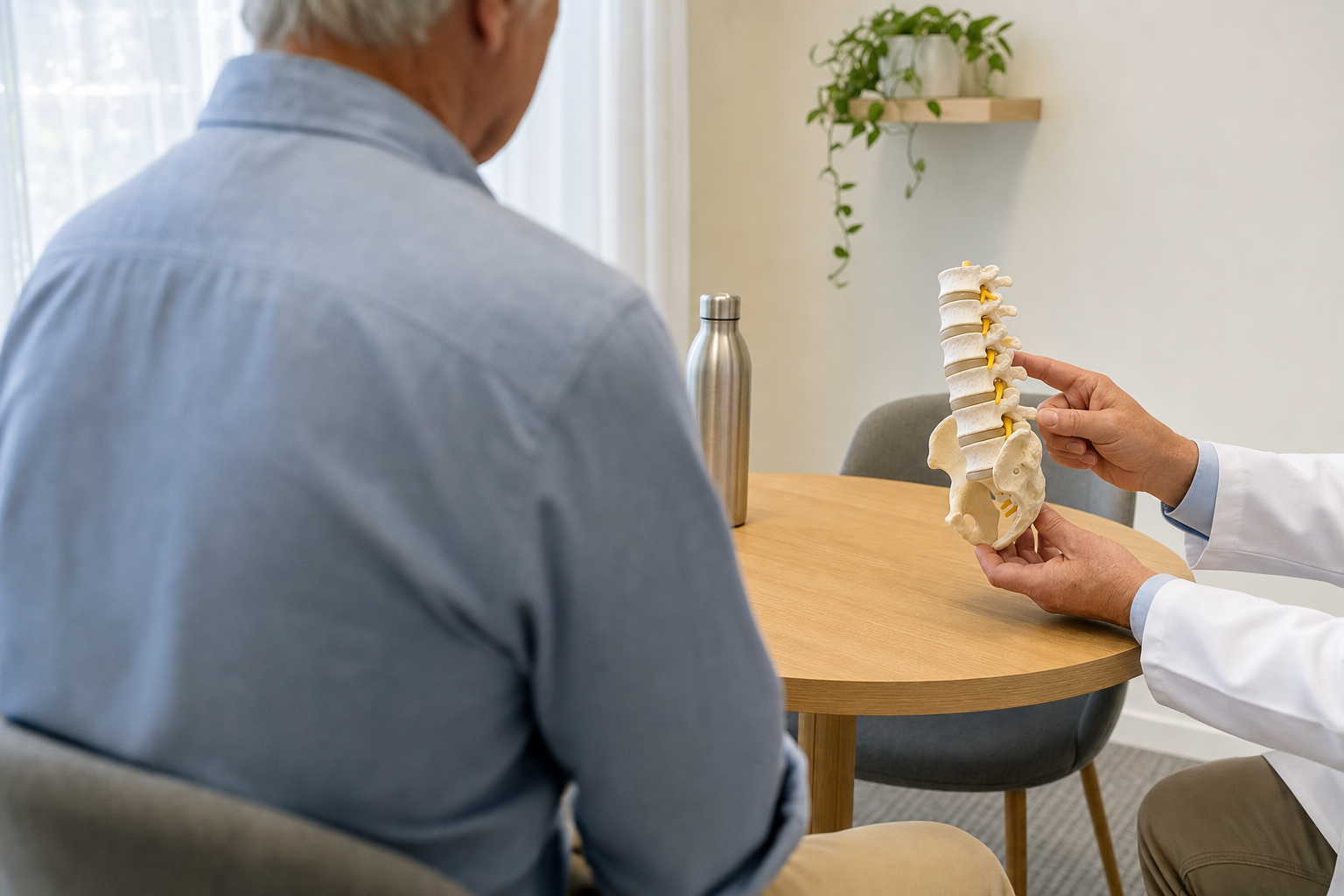
Search for spinal decompression and you get two very different sets of results. One is surgery, where a surgeon removes bone or tissue that is pressing on a nerve. The other is a non-surgical treatment, usually a motorised traction table that applies a pulling force to the spine. Both use the same word and they are not the same thing at all.
Long Island Spine Specialists is a spine-only practice covering the range from conservative care through to complex surgery. On the non-surgical side that means physical medicine and rehabilitation, interventional pain management, spinal injections and nerve blocks, and working alongside your physical therapist or chiropractor rather than replacing them. On the surgical side it means the decompression operations described further down.
So when you hear the phrase, the first useful question is which one the person meant. It changes everything that follows.
What is actually being decompressed
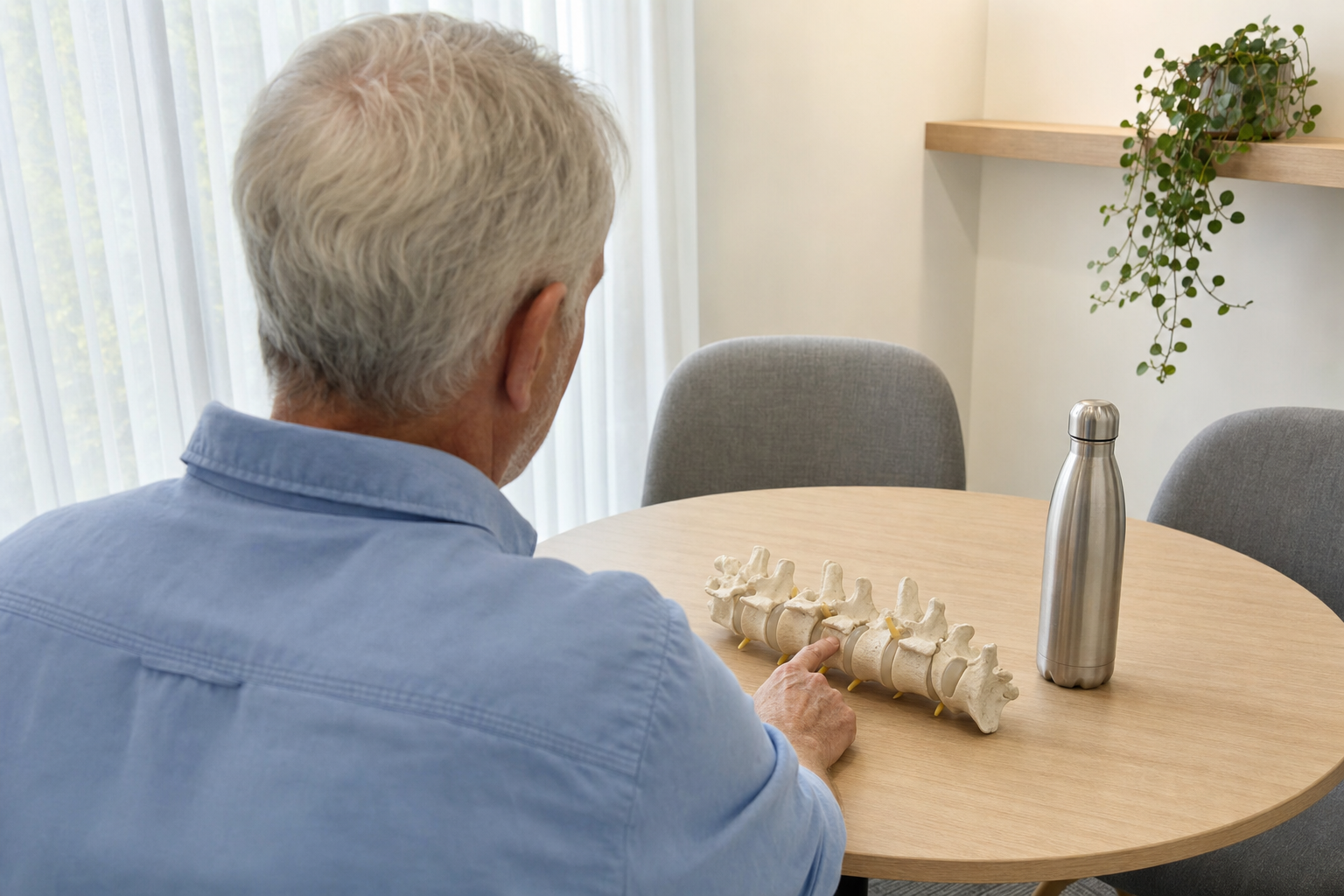
Your spinal cord runs down a canal formed by the vertebrae, and nerve roots branch off through small openings on each side. Pressure happens when one of those spaces gets smaller. A disc can bulge into it, bone can thicken around it, a ligament can stiffen, or the alignment can shift.
The symptoms depend on what is being squeezed and where. Pressure on a single nerve root tends to produce symptoms in one leg or one arm along a fairly predictable path. Narrowing of the whole canal tends to produce heavier, more spread-out symptoms, often in both legs, and it commonly gets worse with walking and eases when you sit or lean forward. That second pattern is what spinal stenosis describes, and it is one of the most common reasons decompression comes up.
None of that means you can work out your own answer from a description. Imaging shows narrowing in plenty of people who have no symptoms at all, which is why a scan gets read next to an exam rather than on its own.
What the non-surgical side actually covers

For most people the conversation starts here, and it stays here. Conservative care is not a waiting room before surgery. It is the treatment, and for a lot of people it is the only treatment they ever need.
- Physical therapy, guided by a therapist who has seen your imaging and knows what the plan is
- Changes to daily activity and work setup, worked out with your clinician
- Medication, prescribed and monitored by your own physician
- Spinal injections and nerve blocks, placed under imaging by an interventional pain physician
- Physical medicine and rehabilitation input, which looks at function rather than just pain
- Watching and reassessing over time, because a lot of nerve irritation settles on its own
Injections are the part people ask about most. They are used both to treat symptoms and to give a clinician information, because a response to an injection at a specific level tells them something the scan cannot. The practice sets out what it offers on its interventional pain management if you want the detail.
The motorised traction version of non-surgical decompression is a separate treatment offered in some clinics, and it is not the same as the care described above. If someone has recommended it to you, ask them what they expect it to do and how that fits with the rest of your plan.
What decompression surgery means
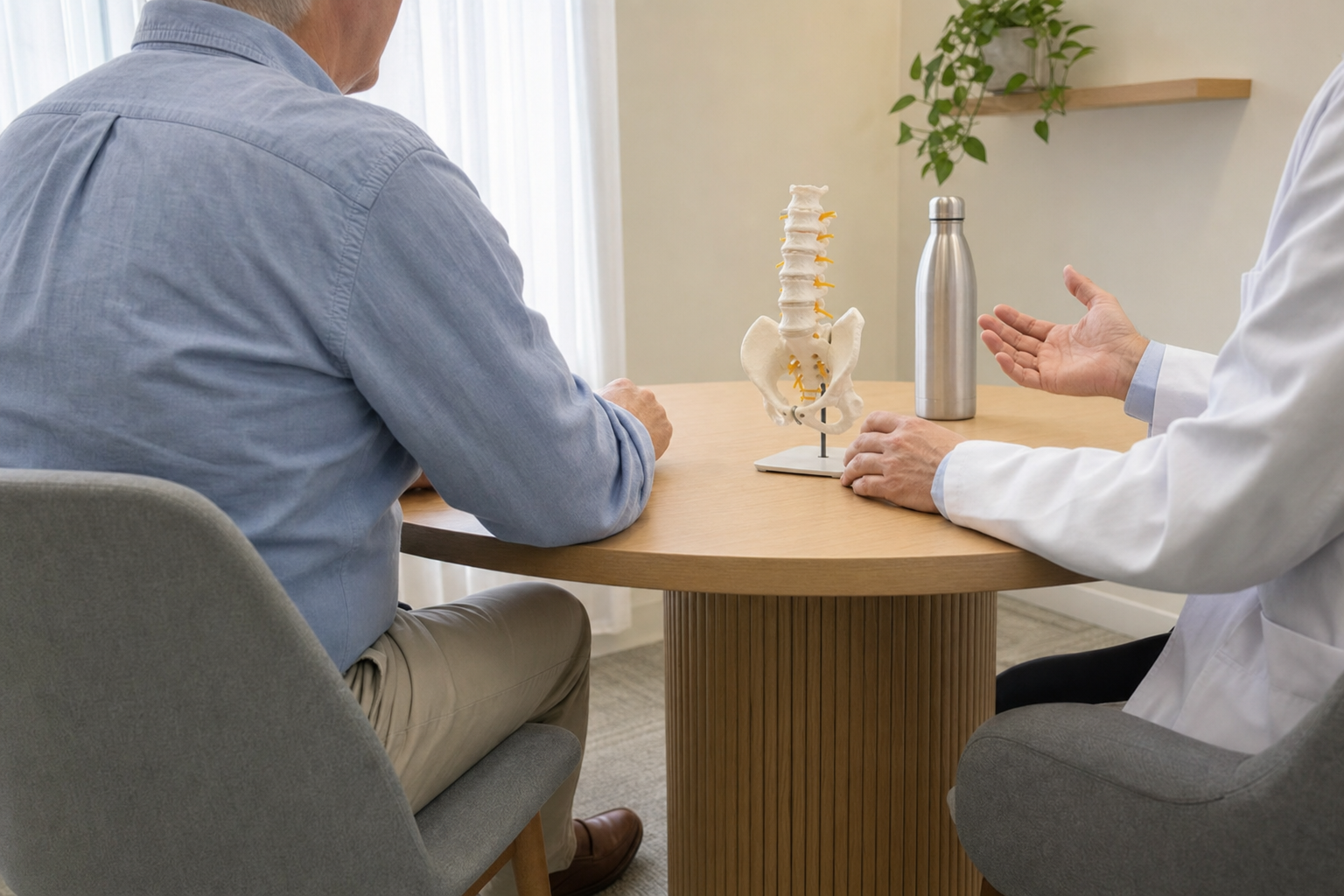
Surgical decompression removes whatever is taking up the space. The name of the operation depends on what gets removed. A laminectomy takes away part or all of the lamina at the back of the canal. A foraminotomy opens up the exit where a nerve root leaves. A discectomy removes disc material that has pushed out. Sometimes a fusion is done alongside a decompression when stability is a concern.
Long Island Spine Specialists has a longer article on spinal decompression surgery covering who it is considered for, the surgical process and what to expect afterwards. I am not going to duplicate it here, because this article is about how the surgical path compares with the non-surgical one rather than about the operation itself.
What is worth saying is that decompression surgery is aimed at the pressure. It does not undo wear and tear elsewhere in the spine, and your surgeon will be clear with you about what it is and is not meant to address in your case.
The two paths side by side
Here is how the two compare on the things patients usually want to know. This is general, and your own clinician will tell you what applies to your case.
| Non-surgical care | Decompression surgery | |
|---|---|---|
| What it targets | The irritation, the symptoms and how you function | The bone or tissue physically taking up the space |
| Who usually delivers it | Physiatrists, interventional pain physicians, physical therapists | An orthopaedic spine surgeon and a surgical team |
| Where it happens | The office and a therapy clinic | An operating room, with an anesthetic |
| What imaging is for | Confirming the picture and guiding an injection | Confirming the level and planning the operation |
| Usual place in the plan | Where the conversation starts for most people | Considered when symptoms persist or the exam changes |
| What it does not do | It does not change the anatomy causing the narrowing | It does not reverse wear and tear elsewhere in the spine |
Notice that the two rows are not really competing. Most surgical patients have already been through the non-surgical column, and plenty of people go through that column and never reach the other one.
What a clinician weighs before the conversation turns to surgery

There is no single trigger. A surgeon is generally looking at whether the imaging and the exam agree, how long the symptoms have run, whether they are changing, what has already been tried and what happened, and what the symptoms are stopping you doing. Weakness that is getting worse, or any change in bladder or bowel function, is treated differently and urgently.
Ask direct questions when you are in the room. What are you seeing on my scan. Which nerve do you think is involved. What happens if I wait. What would you expect this operation to change and what would it not change. Write the answers down, because most people remember about half of a consultation.
If you have been told surgery is your only option, a second opinion is a reasonable next step rather than a difficult one. Long Island Spine Specialists offers second opinions specifically for that situation, including deeper evaluation for patients who want another set of eyes on the imaging before they decide.
Talking it through on Long Island
Comparing the two paths usually ends where it should end, which is at a consultation with someone who can examine you and read your images. That appointment is also where you find out whether the question is even live in your case, because a lot of people arrive expecting a surgical conversation and leave with a therapy plan.
The practice has information at back surgery commack ny if the Commack office is closer to you. If you are further east, the Riverhead office information is at spine surgeon riverhead. Bring your imaging report, a list of what has already been tried, and the questions above.
This article is general information about two treatment paths and it is not a substitute for an assessment by a clinician who can examine you and review your images. Nothing here tells you what to do about your own spine.
To arrange a consultation, use the contact form or call (631) 837-2359. Thanks for reading.